
Blog
Kitchen Cleaning Scrubbers: 5 Common Mistakes People Make & How to Avoid Them

Getting the Most Out of Kitchen Cleaning Scrubbers
When you invest in good kitchen cleaning scrubbers, you expect surfaces to shine and germs to disappear. However, many households still struggle to achieve the results they want—not because the tool is flawed, but due to common mistakes in its use. In this post, we’ll highlight 5 mistakes people make while using kitchen cleaning scrubbers, and show you how to avoid them. If you want to keep your countertops, sinks, and appliances in top shape—and make cleaning easier—this is for you.
1. The Dangers of Using One Scrubber for Everything
One of the most common mistakes people make in the kitchen is using the same old scrubber for absolutely everything – washing up, scrubbing heavy bits of the stove, cleaning tiles, or just wiping down the sink.
And it’s a real problem.
Why It’s a Recipe for Disaster
Grease and oil have a nasty habit of spreading to other surfaces and causing a right old mess
Bacteria love to breed on those worn out scrubbers – and they grow fast
Those scrubbers just can’t take the punishment and they wear out in no time
And worst of all, cleaning just doesn’t seem to be working as well as it used to
So What Can You Do About It
Just use a different scrubber for different jobs:
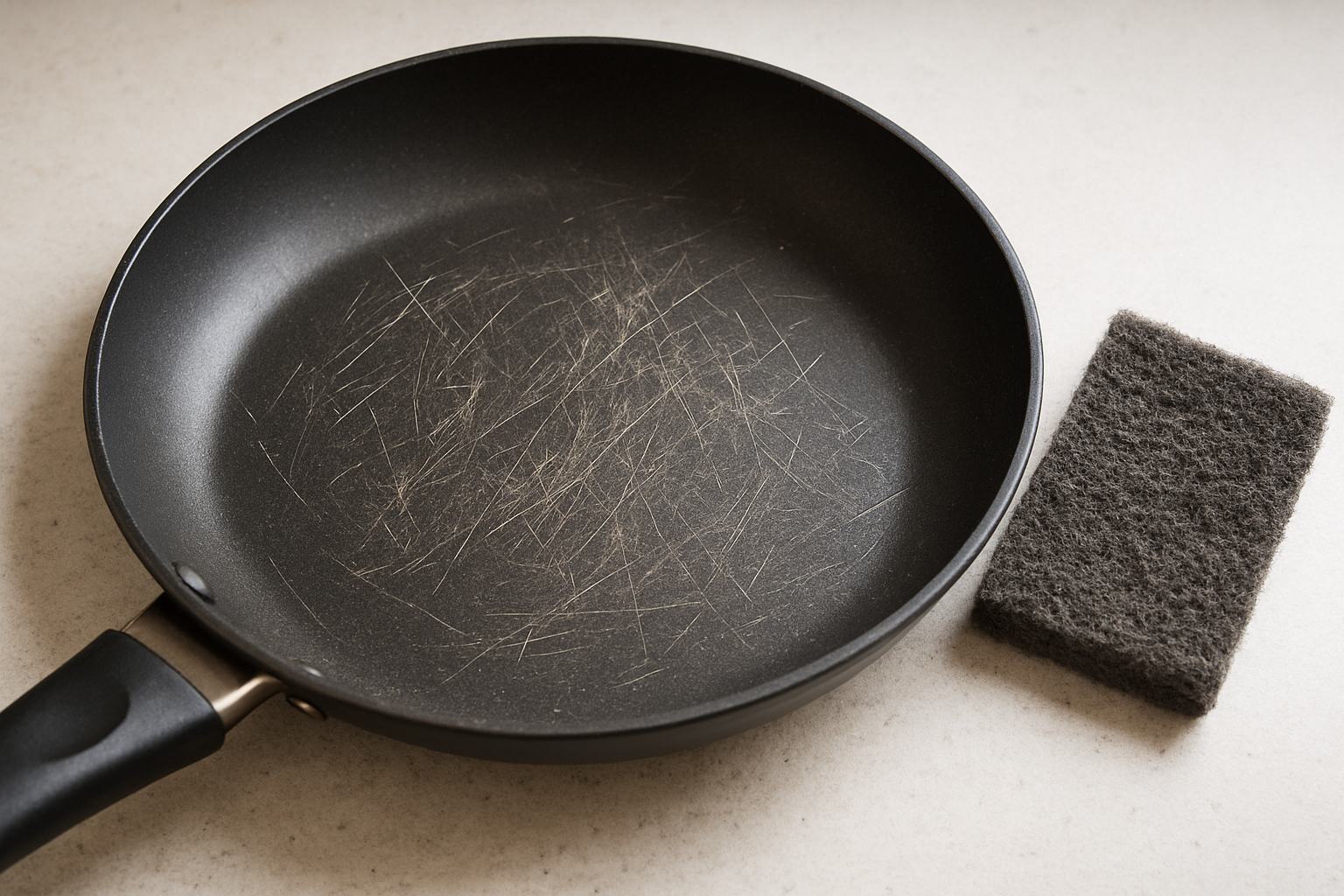
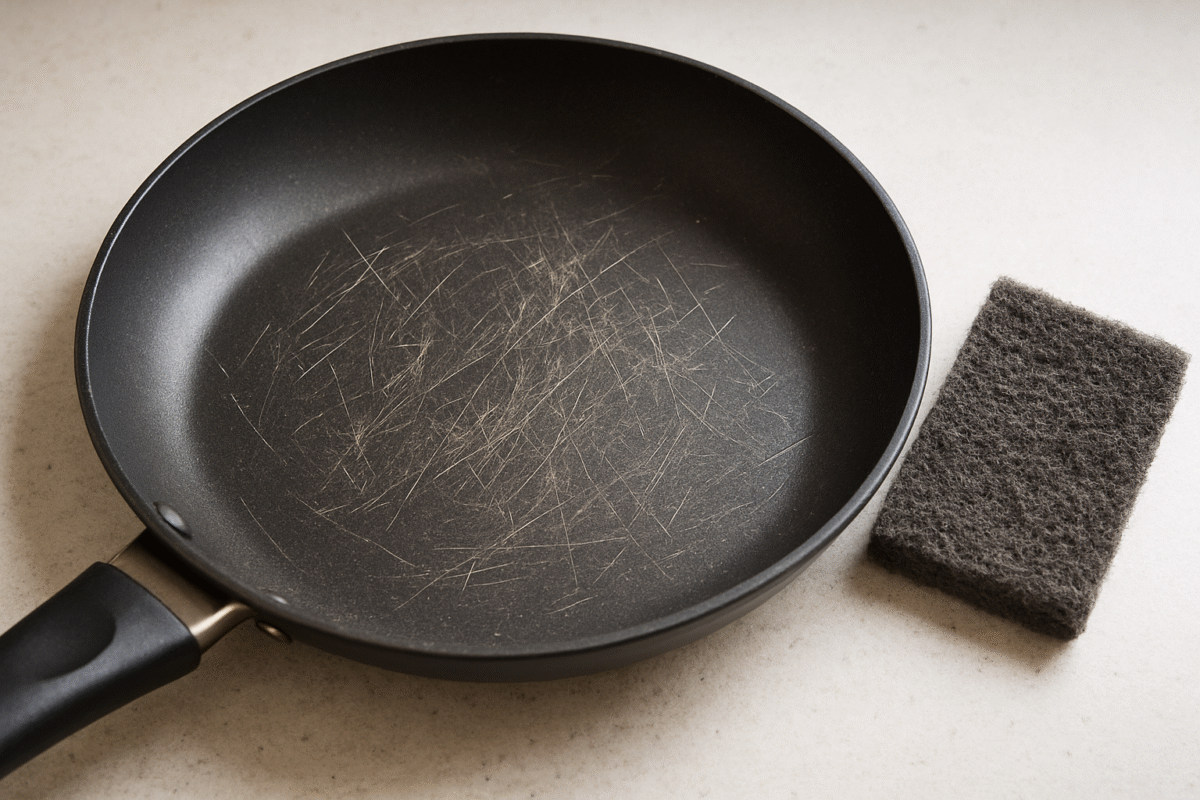
A softie for non-stick cookware – don’t risk scratching the surface with something too harsh
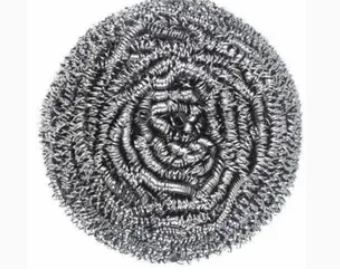
A heavy hitter for steel and iron pots and pans – they need a bit more muscle
And a tile & sink scrubber for – well, you get the idea
It’s a simple change that makes a big difference in the kitchen.
2. Don’t Keep Using That Old Scrubber When It’s Had It
A lot of people are guilty of using the same scrubber for weeks, even months. And that’s just not right.
Here are the signs that your scrubber is on its last legs
If it smells like something died in it (and it probably did)
If it’s starting to fall apart at the seams (literally)
If it’s changed colour and doesn’t look like a scrubber anymore
If it’s just gotten too soft to be of any use
Tip: give your kitchen a clean bill of health by replacing your scrubber every 2-3 weeks. How often you need to do it will depend on how much use it gets.
3. Not Drying the Scrubber After Use
Keeping a scrubber wet inside the sink or corner creates a breeding ground for harmful bacteria.
How It Affects Cleaning
- Food particles stick inside the scrubber
- Scrubber starts smelling
- Mold and fungus begin to grow
Right Way to Maintain
- Squeeze the scrubber after washing
- Keep it in a dry place with airflow
- Use scrubber holders available on MatizBrite
A dry scrubber lasts longer and stays hygienic.4. Using Harsh Chemicals on Scrubbers
Some people use bleach, acid, or strong detergents thinking it will clean better. But this damages the scrubber and reduces its life.
Better Alternative
Use mild dishwashing liquid + warm water.
This keeps the scrubber safe, clean, and effective.
5. Using the Wrong Scrubber for Sensitive Surfaces
Non-stick pans, glass surfaces, marble countertops, and induction cooktops require gentle cleaning. Using a harsh scrubber can damage the surface and cause scratches.
How to Fix It
Choose the correct scrubber:
- Non-scratch scrubber for Teflon and glass
- Microfiber scrub pad for sensitive surfaces
- Heavy-duty scrubber only for steel cookware
Always choose the right scrubber based on the surface to avoid expensive damage.
Why Choose MatizBrite Kitchen Cleaning Scrubbers?
MatizBrite offers premium kitchen cleaning scrubbers designed for Indian kitchens.
Benefits include:
- Long-lasting material
- Non-scratch options
- Anti-bacterial properties
- Affordable for daily use
Perfect for utensils, tiles, sink cleaning, and tough stains.
Avoiding these 5 mistakes will help you maintain hygiene, improve cleaning efficiency, and extend the life of your scrubbers.
If you want durable, safe, and effective kitchen cleaning scrubbers, MatizBrite has the perfect range for your daily cleaning routine.